

Small-group biodiversity expeditions and safaris in Tanzania
Our journeys are intentionally kept small to allow a deeper, more personal experience and the flexibility and time in the field needed to truly appreciate Tanzania’s remarkable landscapes, wildlife, and biodiversity.
From specialist-led expeditions in the Eastern Arc Mountains to carefully curated safari and wilderness experiences across Tanzania, each journey is designed to combine exploration, conservation, and meaningful encounters with nature.
-
Keeping our groups small allows for a more immersive and flexible experience in the field, with greater opportunities for wildlife observation, photography, learning, and genuine connection with the landscapes we explore.
-
Our expeditions are guided by specialists with deep knowledge of East African ecosystems, wildlife, and conservation. Thoughtfully planned itineraries balance scientific insight with authentic and enjoyable travel experiences.
-
We work closely with local partners, researchers, and conservation initiatives to ensure that our journeys contribute positively to both biodiversity protection and sustainable livelihoods for local communities.




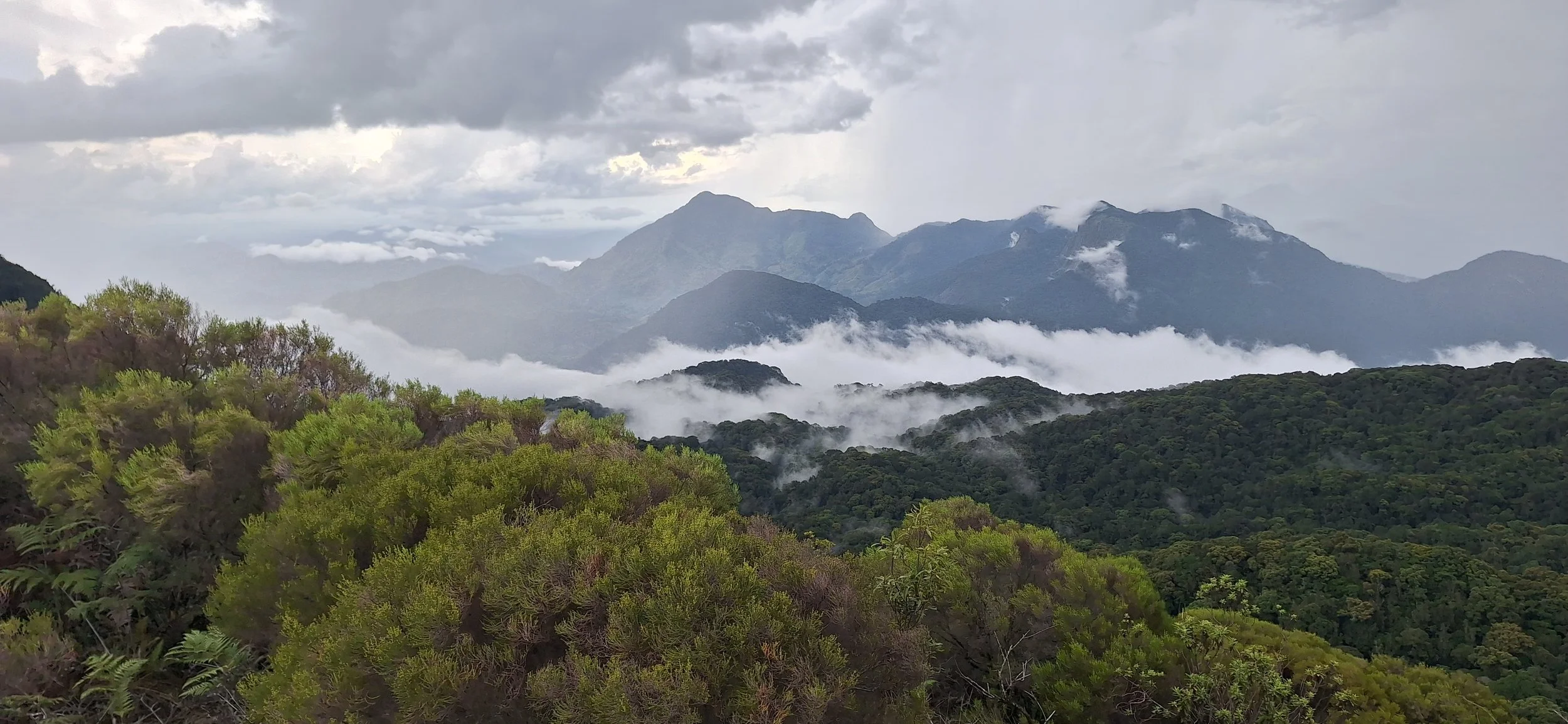
Explore Tanzania’s forgotten montane cloud forests
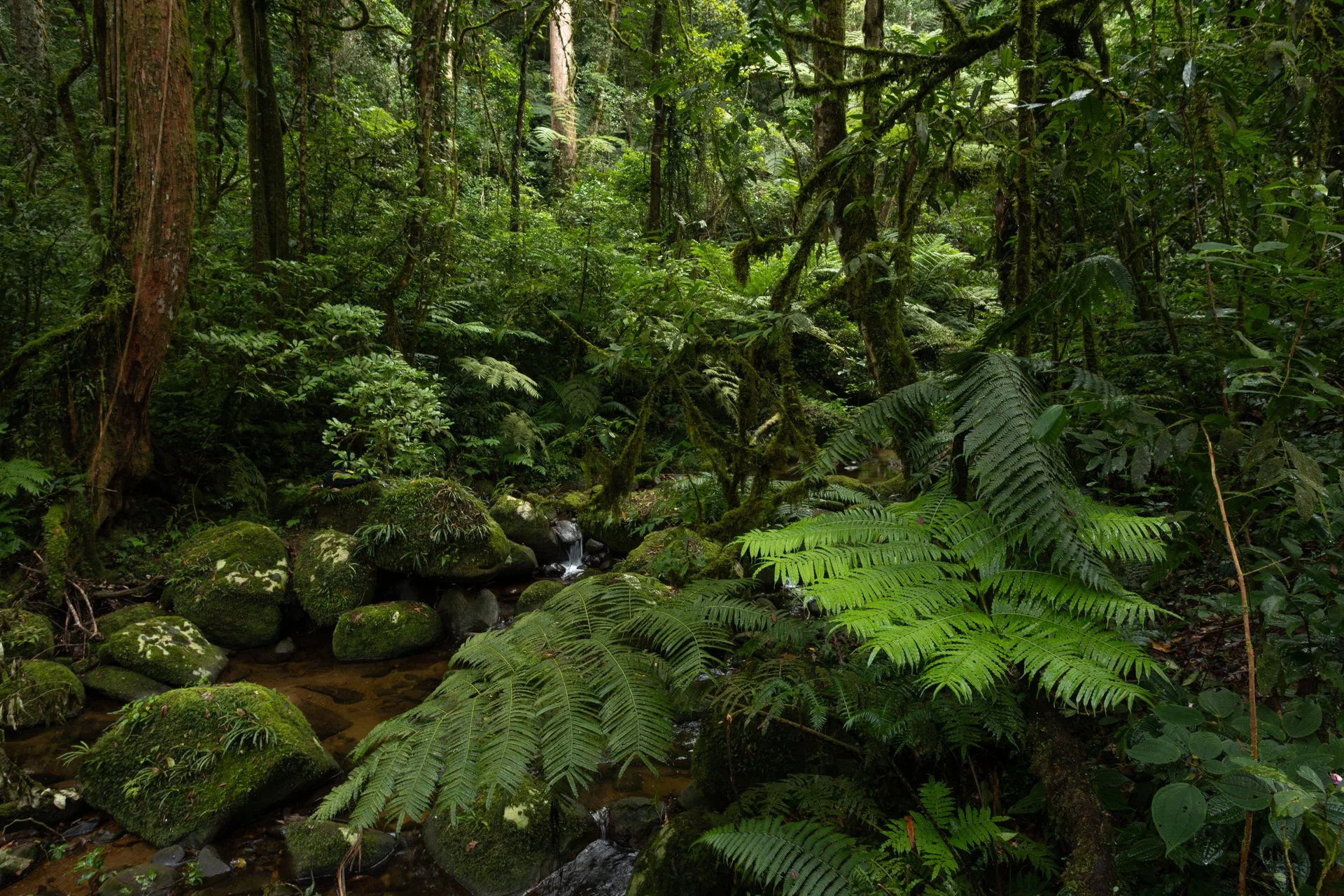
The Eastern Arc Mountains are among Africa’s most remarkable and least-known natural treasures.
Stretching across eastern Tanzania and southern Kenya, these ancient mountain forests were formed over 100 million years ago and have remained isolated for millions of years. Moisture from the Indian Ocean allowed their forests to persist while the surrounding lowlands gradually transformed into dry savanna.
Over time, this isolation created a chain of unique forest “islands”, each harbouring extraordinary biodiversity and exceptionally high levels of endemism. Many species found here occur nowhere else on Earth — from vividly coloured chameleons and tiny forest frogs to rare orchids, endemic birds, and the remarkable kipunji monkey.
Today, scientists recognise the Eastern Arc Mountains as one of the world’s most important biodiversity hotspots. Yet despite their global significance, many of these forests remain little-explored and increasingly threatened by deforestation, habitat fragmentation, and growing human pressure.
Protecting these landscapes means safeguarding not only irreplaceable wildlife, but also vital water sources, climate stability, and sustainable livelihoods for local communities.